
Texas Pushes Ten Commandments Into Public Schools, Sparking Church-State Debate
- Chez Nous Times

- Jun 16
- 4 min read
By Liza Blinn '27
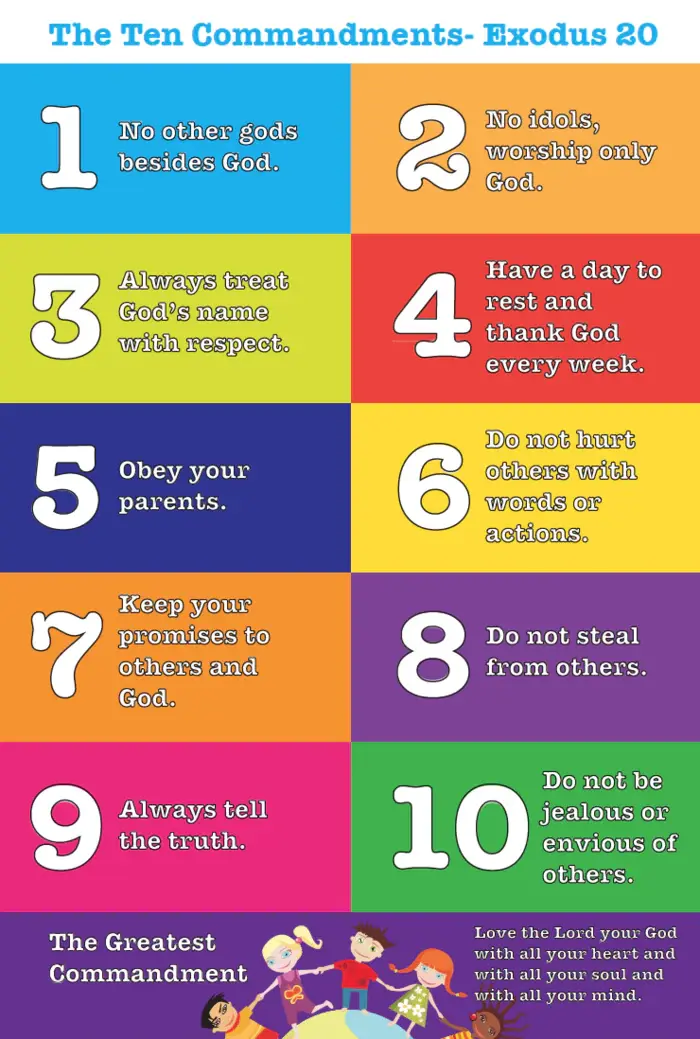
The 10 Commandments have been known throughout history as the backbone of the Abrahamic religion. A gift to the Israelites once they had been released from slavery, they acted as God's core instruction to his people to follow in a covenant relationship. Marked by love and trust by God himself, they’re believed to act as an outline for how his followers are to act, not moral boxes to check or ancient rules to appease God. Although in the 21st century, some may argue that this outline may be a bit outdated, that the rules are too arbitrary or out of context for today's society.
In June 2025, Senate Bill 10 was passed by the Texas Legislature. It required public elementary and middle schools to display the 10 Commandments. In December of that same year, a lawsuit was filed by the ACLU on behalf of 18 families in the San Antonio area, claiming the bill violated the First Amendment: “Congress shall make no law creating a state religion or unduly favoring religion over non-religion.” The plaintiff had argued that "students are neither catechized on the Commandments nor taught to adopt them.” The defense argued, “Because Plaintiffs fail to show that S.B. 10 substantially burdens their right to religious exercise, their Free Exercise claims must be dismissed.” The court mentioned, too, that the ACLU’s argument fails to honor the Commandments as not an “engine of coercive destruction.” Ultimately, it was proven that the Commandments aren’t a tool to summon those to prayer, and should be kept in place, sparking a heated debate over what it truly means to separate the church from the state.
Texas Attorney General Ken Paxton quickly took to X to speak of his victory: “This is a major victory for Texas and our moral values… The Ten Commandments have had a profound impact on our nation, and students must learn from them every day.” And the state senate author of the bill, Phil King, R-Weatherford, called the court's ruling “a great day for the state.” The 9-8 ruling, however, may also force the case to be pushed into the Supreme Court, where the conservative majority has been “steadily removing restrictions on government support for religion.” The Texas Board of Education, for example, has approved “Bible-infused” teachings within the classroom, allowing state chaplains to serve
as educational counselors. The court cleverly had also said this: “It does not tell churches or synagogues or mosques what to believe or how to worship or whom to employ as priests, rabbis, or imams. It punishes no one who rejects the Ten Commandments, no matter the reason. It levies no taxes to support any clergy. It does not co-opt churches to perform civic functions.” They reassured the public that no student will be coerced into any unconstitutional religious exercise or observance. Heather Weaver of the ACLU, the American Civil Liberties Union, believes, “The key issue is whether or not the state can impose biblical scripture on children.” Backing the ACLU’s original comment, “The Court’s ruling goes against fundamental First Amendment principles and binding U.S. Supreme Court authority. The First Amendment safeguards the separation of church and state, and the freedom of families to choose how, when, and if to provide their children with religious instruction. This decision tramples those rights.” She believes the bill to be “religiously coercive,” prompting favoritism to one religion rather than being welcoming of all.
This comes with a post-influx of court cases that some may believe were religiously motivated. In 2022, for instance, the case of Kennedy v. Bremerton School District allow for the school district's football coach to stop and pray during the middle of a game, as the ruling most notably undermined the long-standing Lemon Test used to “invalidate policies that have a religious purpose or foster excessive government entanglement with religion.” And tracing all the way to 1980, this case looks incredibly familiar to the landmark Supreme Court decision that invalidated a Kentucky law that looked much like Senate Bill 10: mandatory displays of the Ten Commandments were unconstitutional because of their lack of “secular purpose.”
Similarly, in the recent case of Mahmoud v. Taylor, parents would be allowed to opt their children out of classes that included featured curriculum featuring the LGBTQ+ community, paving the way for behavior like this to be considered morally acceptable. In these cases questions do arise of whether of whether it makes sense to place religious expression within the wider society in terms of whether or not and if it can be considered constitutionally acceptable.
Photo Credit : childrens-ministry-deals.com
Sources : washingtonpost.com, cbsnews.com, foxnews.com, bibleproject.com
Edited by : Catherine Grace Polatidis '26, Valentina Cauchi '28, Mikaila Rivas '26, and Ms. Brilliant
Fair Use Disclaimer
The images and contents in this article are under Fair Use: Copyright Disclaimer Under Section 107 of the Copyright Act in 1976; Allowance is made for "Fair Use" for purposes such as criticism, comment, news reporting, teaching, scholarship, and research. Fair use is a use permitted by copyright statute that might otherwise be infringing. Non-profit, educational or personal use tips the balance in favor of fair use. All rights and credit go directly to its rightful owners. No copyright infringement intended.



Comments